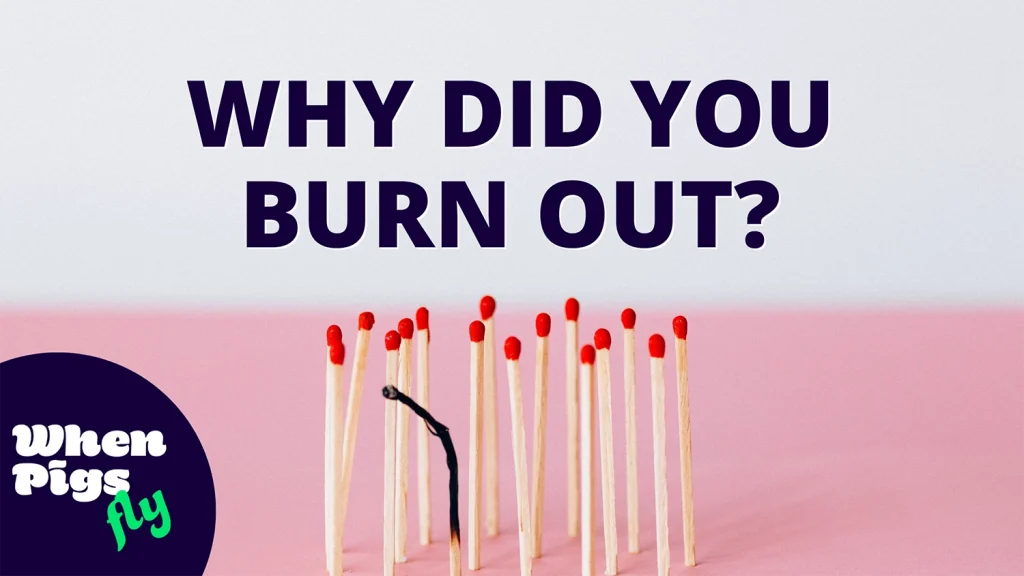
Burnout is a type of physical and emotional exhaustion that we experience as a result of consistent physical, mental or emotional stress over a prolonged amount of time.
In 2018 I suffered from burnout because I was always chasing the next best thing. What I didn’t realise was how severely it was affecting my physical and mental health. Through sharing my experience I hope you, as a reader, will be more aware of the risks and what you can do if you begin to experience burnout.
Why is it So Relevant?
According to Employee Benefits, 79% of UK staff have gone through burnout. 35% reporting high or extreme levels. Unfortunately, most people in employment will experience symptoms of burnout at some point in their careers.
Why Do People Burn Out?
Burnout has been a growing problem for many years. We are always chasing something to bring us happiness, we have the inability to say no to our peers, we take on extra work to get a promotion, without taking regular breaks. Often limiting beliefs are what lead to burnout.
I had the limiting belief that I needed to have a high-flying job and do extraordinary things to be seen as successful in society. I believed that without a life like a highlights reel I could not be happy. Eventually, my constant chasing caught up to me when the extent of my burnout meant that I ended up in a hospital. This did not stop me though. I was still sitting on my hospital bed writing a business plan for a new business I was setting up. I did not realise how much I was essentially killing myself.
How To Recognise The Symptoms Of Burnout
Burnout can affect both your mental and physical well-being. A few common symptoms to look out for are:
- A lack of motivation
- Reduced energy
- Feeling of hopeless
- Cynicism
- The desire to procrastinate
- Regular headaches and aches around the body
- Impacts on your personal life and relationships
Noticing the early warning signs could be key to looking at your schedule and values to get to the root cause.
There are 3 types of burnout:
1. Overload Burnout
‘Overload Burnout’ is what happens when a person pushes themselves to their physical or mental and emotional limits in order to achieve their successes – right to the point of exhaustion. This type of burnout is seen frequently within a professional environment if a person is feeling stretched too thin due to the amount of pressure put on them with work, family life and caregiving for children or loved ones.
According to Employee Benefits, 79% of UK staff have gone through burnout, with 35% reporting high or extreme levels. As you push yourself harder and harder your brain and body begin to feel the pressure of overworking and this is what essentially causes burnout.
2. Under-Challenged Burnout
‘Under-Challenged Burnout’ is when a person will feel unmotivated in their job role and under-appreciated by their colleagues and employers. If the job doesn’t hold much potential for growth and you don’t feel challenged, then it is very easy to lose the passion you once felt and to feel unfulfilled. This type of burnout is very common when a person is working from home as the lack of physical contact often leads to a feeling of disconnect.
3. Neglect Burnout
‘Neglect Burnout’ occurs when a person isn’t given enough guidance in their work place and is left to feel helpless and frustrated with themselves because they are unable to meet expectations. Over time the person may start feeling incompetent due to the lack of resources and effectively unmotivated with their work.
What To Do When You Burnout
Though burnout can cause a feeling of helplessness, hopelessness and discouragement, by taking concrete action it is possible to build a positive relationship with our work life and with our relationships.
Begin by identifying the type of burnout you are experiencing. Are you feeling overwhelmed? Under-challenge? Neglected? Once you have figured out the type of burnout, you can take tangible steps towards overcoming it, depending on which of the 3 types you are experiencing this may mean taking some time out, seeking to spread the workload, asking for more support or tasks and responsibilities that challenge or stimulate you. It may even mean seeking a role elsewhere if change is not possible in your current workplace or business.
I am now 90% recovered from my burnout. Some of the steps I took to overcome the effects were exercise, finding my own happiness, crushing all of my limiting beliefs, being my authentic self and removing all of the toxic relationships in my life.
Who’s To Blame
I am the only person to blame for my burnout. It was me who chose to push myself to my limits without taking a break. No one else is responsible for the choices that lead me to burnout. Although we live in a society with demands that can easily lead to burnout, only you can take action to prevent it.
We all have the option to change the way we live our lives. A third of Brits are unhappy in their jobs with only 27% of people being happy in their workplace (Indeed). If we are not happy then we can choose to leave. Choosing to stay until you burnout is your decision.
There is no shame in reaching out to colleagues, friends and family or seeking the help of a professional. The aim is to find a realistic way to overcome your own burnout.
Burnout will not last forever, and the sooner you work on yourself, the sooner you will get back to a more motivated and happier life.